Thursday, March 5, 2015

Traditonal Music of Minangkabau

Traditonal Music of Minangkabau

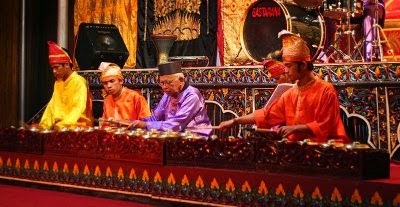
The origin of Minangkabau Traditional Music is closely related to Malay Music, which is generally accompanied by Traditional Musical Instruments such as Talempong, Saluang, Rebab (fiddle), Rebana (Tambourine), Violin, Aguang, Gandang and Serunai (fife).
Malay Music originated from the kind of music that comes from the Arabic named Qasidah that in the year 635 -1600 brought by the propagator of Islam in Indonesia. At the beginning, the lyric of the song is Gurindam and then over time it is used also to accompany Traditional Dances.

Since the time of the Suez Canal opened happen migration of Arabs and Egyptians who entered the Dutch East Indies in 1870 until after 1888, they bring musical instruments and then playing the kind of music Lute Arab origin. This influence is also mixed with traditional music with the lyrics of Gurindam and local traditional musical instruments such as Talempong, Saluang, fiddle, Tambourine, Violin, Aguang, Gandang, fife and others.
In 1955 was born The Modern Modern Minang, which is very much different from The Traditional Minangkabau style of music that was originally known as Qasidah music and entertainment is growing as singing and accompaniment Pasambahan's Dance, Plate's Dance, Umbrella's Dance, Serampang Duabelas Dance, all of which are typical dances of People Minang west coast of Sumatra. With the development of electronic technology
around after 1950, then introduced the speaker, electric guitars, and even the development of the keyboard. And no less important is the development of the recording industry since 1950 by Lokananta and rhythm.

The Types  of Minangkabau Musics


1. The Original Music of MInangkabau

Qasidah Music which is basically a song of Islamic religious lyric and then reading couplets, and evolve as a dance accompanist. Musical instruments used are limited to the percussion instruments such as blow bamboo, wood, stone, and tambourine.

2. The Traditional Music Minangkabau
The Traditional Music of Minangkabau is characterized by style or tramp Minang by using Traditional Music tools of Minangkabau such as the Gondang, Aguang, Tambourine, Sarunai, Talempong, fiddle, Saluang and Bansi.

3. Modern Music of Minangkabau 1955

Modern Music of Minangkabau played by Gumarang, Teruna Ria, Kumbang Tjari, and Zaenal Combo and less influenced by Latin music with the blow of bongo and the instrumental of maracas, usually the rhythm like rumba, cha-cha, or mambo. Musical instruments used are grown with the influence of European musical instruments like the accordion, violin, guitar, piano or keyboard, Basses, Drums, Bongo, Saxophone, Clarinet, Trumpet, Flute, Maracas, and others.

Next : Traditional Musical Instruments of Minangkabau

Previous : Padang ( Minangkabau )

Tuesday, March 3, 2015

The Culture of Minangkabau

Padang ( Minangkabau)

History Minangkabau


Basically most of the people of Padang was come from the ethnic of Minangkabau,
while other ethnic groups are also settled there including, Javanese ethnic, Chinese ethnic, Nias ethnic, Mentawai ethnic, Batak ethnic, Aceh, and Tamil ethnic.
Minang people in the city of Padang is one of the migrants from other areas but these migrants remain in the province of western Sumatra. In 1970, Padang has a number of arrivals by 43% of the entire population, until 1990, of the total population of the city of Padang, 91% came from Minangkabau ethnic group.
In the 19th century, people of Nias had become a minority in the city of Padang, most
of them live in Mount Padang. Quite many people of Nias who is married to a resident of Minangkabau. In addition, some are married with Europeans and Chinese. The number of mixed marriages have reduced the percentage of Nias tribe in Padang.Then Javanese brought by the Dutch to Padang as servants and soldiers, and there is also a plantation workers.
In the 20th century Javanese mostly came as a homesteader. Moreover, Madurese,
Ambon and Bugis also been a resident of Padang, as the Dutch soldiers during the Padri war. Tamils ​​or Indian descent possibility of coming together of British troops.
Tamil residential area in Kampung Keling a commercial center. Most of those who live in the city of Padang has forgotten culture.

Legend, Traditional Home and Religion


Padang city is famous for the legend that is "Siti Nurbaya" and "Malin Kundang" and
traditional Minangkabau house known as the "House Tower". The majority of residents of the city of Padang to Islam that the majority of its adherents are Minangkabau. Other religions practiced in this city which includes Christian, Buddhist, and Confucian, most religions other than Islam is not embraced by the Minangkabau itself but the other tribes of the field, therefore the house of worship was variable, addition is dominated by There are also churches and mosques pagoda.
Ganting Grand Mosque is the oldest mosque in the city, which was built around 1700.

Next : Traditonal Music of Minangkabau

Previous : Traditional Foods and Drinks of Sunda

Sunday, March 1, 2015

Traditional Foods and Drinks of Sunda

Sundanese Traditionals Foods


Sundanese Traditionals Foods
As well as the arts, the sundanese traditonal's food and drinks were very diverse too,
either heavy or light meals as well as drink.
Sundanese food or drinks has calculated a simple material with the term Sundanese
namely "Dadakan" (in Sundanese language meaning is made fast), but although the presentation was quitely sudden, but it does not losing the taste of food with a food that is cooked with various materials spices though. However, many traditional Sundanese food that has a recipe with a variety of spices or herbs as well as cooking food in general.
Another characteristic of sundanese foods is creatively made by basic material for most
people considered useless. For example Tumis Genjer, the basic ingredients of this food is taken from plants weeds in between the rice plants. Sayur kadedemes or cassava's skin that is often considered toxic, fried crisp impun which made from small fish that live wild in the river, or Tutut, snails that live on a farm.
there is more foods that also referred too as Hahampangan or snacks, its included keremes, opak, kolontong, borondong, kalua jeruk, kerupuk melarat, semprong, etc.

Here is the top ten list of traditional foods from various regions in west java :

1.Karedok is the most delicious typical Sundanese kulinir which is made from a various fresh vegetables mixed with peanut sauce and crackers.
2.Nasi Timbel is the hot rice which is wrapped in to banana leaf to make the aroma more fragrant white rice. Equipped with fried tahu, tempe, goldfish or chicken and sambal (spicy sauce).
3.Peuyeum is a typical food of West Java was made from fermented cassava that is not only delicious but also the price is cheaper than other typical food of Sunda.
4.Pepes Ikan Mas are a bunch wrapped in banana leaf and added lots of spices in it and then steamed until its cooked better served with rice and sambal(spicy sauce).
5.Sayur Asam was made from various fresh vegetables which presented as a soup, the material incude a sweet corn, long beans, leaves melinjo, eggplant, etc. its delicious served with rice.
6.Lalab is a typical food that looks like a salad, but not cooked or mixed with other spices, it served raw as fresh as it is. its one of a Dadakan's food.
7.Soto Bandung is typical of Bandung, West Java. A soup made from beef and is almost the same as other types of soup, but the different is the addition of radishes, tomatoes, and fried soy in it and usually served with rice and crackers.
8.Nasi Liwet Sunda, is made by cooking rice in a furnace with lemongrass and galangal seasoned rice and bay leaves. To add more flavor some of it was made with added anchovies.
9.Tutug Oncom, rice which cooked mixture with oncom, onion, and kencur, usually served with crackers, chili paste, and salted
10.Baso Tahu, is like a dim sum, tofu and steamed fish meat, as same as well with siomay or dumplings from Bandung.

Sundanese Traditionals Drinks


Sundanese Traditionals Drinks
There are also many traditional drinks in Sunda ethnic, here is teh top five list of it :

1.Bajigur is a traditional drink Sundanese people of West Java, Indonesia. Its main ingredient is palm sugar and coconut milk. more tasted mixed with a little ginger, salt, and vanilla powder.
2.Bandrek is the traditional drink of the Sundanese of West Java, Indonesia, which is consumed to increase the warmth of the body. The spices added is lemongrass, pepper, pandan, chicken eggs, etc.
3.Cendol is typical Indonesian beverage made from rice flour, served with shredded ice and liquid brown sugar and coconut milk. its sweet and savory tasted drink.
4.Es Goyobod was made from dough hunkue or starch are cut, combined with avocado, coconut, black sticky rice Tape, Tape pieces of cassava in the box, thick coconut milk, grated ice and milk. its better served at noon.
5.Es Cincau is a kind of refreshment with the main ingredient gel-like gelatinous known as grass jelly. Grass jelly pieces coupled with syrup, coconut milk (or milk) and shaved ice so be refreshments. Grass jelly is used varies depending on the leaves of plants used: Cylea barbata Miers (green grass jelly), generating green jelly, Palustris dazzling BI (black grass jelly), produces black jelly, or Melasthoma polyanthum (grass jelly shrubs).

Next : Padang (Minangkabau)

Previous : The Other Traditional Art of Sunda

Friday, February 20, 2015

The Other Traditional Art of Sunda

The Other Traditional Art of Sunda

Others Tradition of Sunda


Adu Domba

Adu Domba is one of the typical folk art western Java are quite popular, this art is an ancestral art that survived its existence until today. Basically, Adu Domba is a showcase the agility of a livestock that will eventually raise the prestige of an association of certain livestock. The participants are breeders of sheep which is scattered in almost all western Java, especially garut, sumedang, Bandung, Majalengka and others. Event Adu Domba held every year by a system of competition, almost every month of this project is implemented in the rotating areas.
In Bandung one of Adu Domba's arena was located in the Valley of Siliwangi. Each event is always crowded with many audiences. This activity also has a fairly high prestige because many figures Sundanese also a fans of it and the owner of livestock at the same time, such as Kang Ibing and others.

Wayang Golek

The origin of Wayang Golek is unknown because there is no complete information about it in written or oral explainations. The presence of Wayang Golek show can not be separated from the wayang kulit because it basic development of it. There are statement that in 1583 AD, Sunan Kudus make puppets from the woods which is then called Wayang Golek that can be performed during daylight hours.
In line with it, Ismunandar (1988) mentions that in the early 16th century Sunan Kudus making 70 pieces of 'Wayang purwo' with a story accompanied by gamelan Salendro Menak. The show is held during the day. This puppet does not require color. The shape resembles a doll made of wood (instead of leather as well as Wayang Kulit) but its kind like Golek. Therefore, its called as the Wayang Golek.

Kuda Renggong

Kuda Renggong is one of the folk performing arts originally it came from Sumedang. The word "Renggong" in this art is a metathesis from the word Ronggeng kamonesan (Sundanese for "skills") way of running a horse that has been trained to dance following the rhythm of music, especially Kendang (the sundanese drum), which are usually used as solo media in procession of child circumcision.
According to the narrative of several artists, Kuda Renggong first emerged is from the village named Cikurubuk, Buah Dua Subdistrict, Sumedang District. In the development of Kuda Renggong experience progressing quite well, so it spread to various villages in several districts outside the District of Buah Dua it self. Today, Kuda Renggong also spread to other areas outside the Sumedang District.

Previous : Tradisional Dance of Sunda

Thursday, February 19, 2015

Tradisional Dance of Sunda

Tradisional Dance of Sunda


Sundanese Dance 

Ronggeng Gunung

Ronggeng Gunung is a one of the Sundanese dancing tradition which is originally came from Ciamis, west java-Indonesia. It's usually performed when some of the resident have a merriage ceremony at their frontyard, but it's also performed when the farmer had began to planting the paddies at the rice field. The duration of Ronggeng Gunung performed was a little bit longger than usual, it is begin from the afternoon and has stopped at the after midnight. The person which played for this dance is a women, and evenly it had six and up to teen persons, it called great perform if the person who player is an older women.

Tari Wayang

Tari Wayang became known during the Sultanate of Cirebon society in the 16th century by Sheikh Sharif Hidayatullah, which spreading by the roving artists who came to the area Sumedang, Garut, Bogor, Bandung and Tasikmalaya.

Jaipongan

This dance was created by an artist from Bandung, Gugum Gumbira, around 1960, with the aim of creating a type of music and dance association excavated from the wealth of folk art traditions of the archipelago, especially in West Java. Although this dance relatively is new creations, jaipongan developed based on folk art that has been developed previously, such as Ketuk Tilu, Kliningan, and Ronggeng

Tari dan Ibing Pencak Silat

Is one of the aspect that is more important martial arts for the Pencak Silat, which is more popular in West Java as ibing, but not a few people mention that this Pncak Silat aspect with Tari Pencak Silat, in fact actually that the term of Ibing Pencak Silat with the term of Tari Pencak Silat
has a different meaning. Ibing Pencak Silat has a more profound understanding than dance of Pencak Silat which is called Tari Pencak Silat it self, because in addition to existing Ibing Pencak Silat motion element of beauty in it, has the ultimate goal to knock your opponent, so that the elements of Ibing Pencak Silat more prominent. While the term of dance or Tari Pencak Silat is more emphasis on the elements of the beauty of dancing, such as dance that we often see.

previous : Traditional Musical Instrument of Sunda

Wednesday, February 18, 2015

Traditional Musical Instrument of Sunda


Traditional Musical Instrument of Sunda
Sundanese Music Instrument

ANGKLUNG

Angklung is a traditional musical instrument and it's made from a special bamboo, which was found by Mr.Daeng Sutigna around years of 1938. At the first, Angklung was only used to the interests of local or traditional arts. However, Angklung has producing a gently sounds and also it has a local and international content such as musical scale doremifasolasido and daminatilada, the Angklung was rapidly growing, not only locally but also performed for the regionally, nationally and internationally. Even reportedly angklung performance ever been played in front of the head of state on the African Asian Conference in 1955 at the Merdeka Building in Bandung, West Java-Indonesia. After the death of Daeng Sutigna, the artistic creations Angklung be continued by Mang Ujo and Erwin Anwar. Even Mang Ujo has made the manufacture and development center creations of Angklung which is called "Saung Angklung Mang Oku", located in Padasuka Cicaheum Bandung. One of the programs that he did a specially to maintain the Angklung is by introduced it to the students of the school, begin from nursery school up to high school level and even has become one of the subjects of the curriculum at the local. Angklung is now listed as the Oral legacy Masterpieces and Intangible Heritage of Humanity by UNESCO since November 2010.

CALUNG

Calung is Sundanese traditional musical instrument which is the prototype of Angklung. The different of them is the Angklung played by shaken, but in Calung the way we play it is to hit the stalk of segments are arranged according to the point of barrel pentatonic (da-mi-na-ti-la-da) .Understanding Calung than as a musical instrument is also attached as a performance art. There are two forms of Sunda Calung known, called Calung Rantay and Calung Jingjing.

KECAPI

Kecapi is already familiar to the people of Indonesia. Traditional musical instrument which is played by picking, it produce wave tones and beautiful harmonies. But not many people know about the typical of Kecapi or Kacapi Suling Cianjur, even though this musical instrument located almost in every county in the land of Sunda. Kecapi mostly played for the instrumental music, but sometimes also used to accompany the singing of Rampak Sekar. usually The songs are presented was sinom gamelan, kaleon, talutur with salendro barrel, pelog or Sorog.

GAMELAN DEGUNG

There are several Gamelan were existed, and continues to grow in West Java, its including Gamelan Salendro, Pelog and Degung. Gamelan Salendro ussualy used to accompany the Wayang, Tari, Kliningan, Jaipongan and others. Gamelan Pelog function is similar to Gamelan Salendro, only less evolved and less familiar in society and rarely owned by arts groups society. This indicates that a set of Gamelan Salendro is quite a representation for this whole Gamelans instrument, while Gamelan Degung was felt fairly represented the people of West Java distinctiveness.


Previous : Sundanese Culture

Next :  Tradisional Dance of Sunda

Tuesday, February 17, 2015

Sundanese Culture

Sundanese Culture


The History of Sunda

Sunda is a culture of people who live at the western region in the island of Java-Indonesia. As one of the ethnic,Sunda is a forerunner to the establishment of civilization in the archipelago (Sundaland). Began with the founding of the oldest kingdoms in Indonesia, namely Salakanagara and Tarumanagara till Galuh, Pakuan Padjadjaran,and Sumedang Larang. The kingdom of Sunda is the kingdom of peace, during the time of they rule, they never expand to get larging the territory. Descendants of the Kingdom of Sunda has spawned great kingdoms in the archipelago, which is the Kingdom of Sriwijaya, Majapahit, Mataram, Cirebon, Banten, etc.

The meaning of the Sundanese word is Good / White / Clean / Shining, everything that contains elements of goodness. Sundanese people are believed that having ethics or character Kasundaan as the path to the primacy of life. The character kaSundaan it self is Cageur (healthy), Bageur (good), Ko (right), Singer (skilled), and Smart (intelligent), which has existed since the days of the year 150 Salaka Nagara until Sumedang Larang in the 17th century,has brought prosperity and well-being more than 1000 years.


Culture System

In 1830 came from the most famous political mistakes made by Netherlands which is called Culture System (Cultuurstelsel), but actually more accurately called the system of slavery. This system focuses the efforts made by the government to drain more crops resulting from soil of Sunda.The result of this culture system has racked the fifth of farmers income tobe come the change of taxes. By conducting new crops such as sugar, coffee, and tea, its became bigger of what they owned by the farmland. The economic impact is very dramatic for the rural. Passing through the middle of the century, private investment in the land of West Java began to grow and start popping more plantations.Tanahhe soil was taken out of the hands of farmers and given to the landlord. By the year of 1870, the agrarian law is deemed necessary to protect the people's rights for they own land.

The next article is about Traditional Musical Instrument of Sunda